
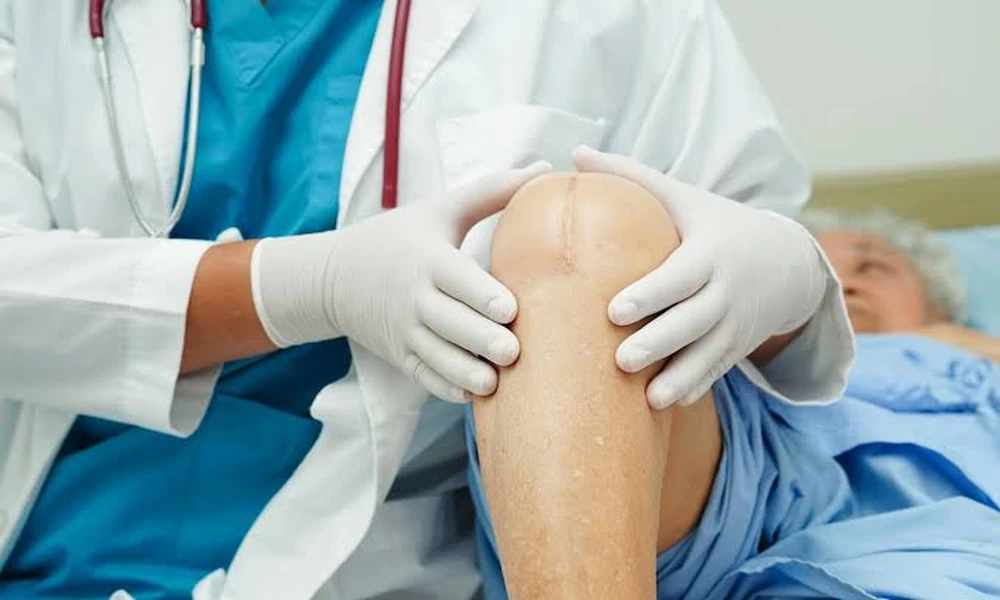
Getting back to everyday activities after an operation can take time for ageing individuals. The body may need extra attention to regain strength and movement. The rehabilitation services for elderly help older individuals rebuild physical abilities through guided exercises and regular support. A suitable recovery plan also improves confidence while reducing difficulties with daily tasks. Family involvement and professional guidance can make each stage easier to manage. With steady effort, individuals can gradually regain independence and improve their overall quality of life.
Why Is Early Recovery Support Important?
Early support helps older individuals regain strength safely while preventing unnecessary strain during everyday activities. Regular guidance encourages steady progress.
How Can Movement Improve Daily Activities?
Gentle physical activity helps improve balance and muscle strength. It also makes ordinary movements easier to manage independently.
What Makes Personal Recovery Plans Effective?
Individual plans consider physical ability and personal needs. This approach ensures suitable activities without placing excessive pressure on the body.
How Does Family Support Encourage Progress?
Family members can provide emotional encouragement while helping older adults follow daily routines and maintain confidence throughout recovery.
Why Should Balance Receive Special Attention?
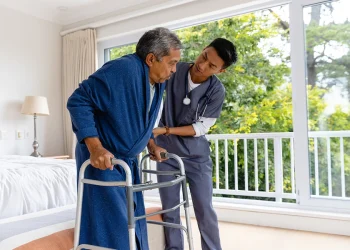
Improved balance lowers the likelihood of falls. Simple guided activities can strengthen stability and support safer movement around the home.
How Can Rest Support Physical Strength?
Adequate rest allows the body to recover after physical activity. Balanced routines prevent exhaustion while supporting gradual improvements.
What Role Does Regular Assessment Play?
Frequent progress checks help identify difficulties early. Professionals can adjust activities according to changing physical abilities and individual progress.
How Can Daily Habits Support Recovery?
Consistent routines help older individuals maintain progress beyond supervised sessions. Useful habits include:
Following recommended activity schedules.
Keeping a regular sleeping routine.
Practising safe movement techniques.
Maintaining suitable daily hydration.
Asking for assistance when needed.
What Exercises Help Restore Physical Ability?
Suitable activities strengthen muscles while improving coordination. Professionals may recommend simple movements that match individual capabilities and recovery goals.
How Does Professional Guidance Improve Safety?
Qualified professionals monitor progress and provide suitable instructions. The rehabilitation services for elderly can help individuals develop practical routines while avoiding unnecessary physical strain.
Why Is Emotional Support Equally Important?
Changes in physical ability can affect confidence. Encouragement from relatives and caregivers helps older adults remain motivated during difficult periods.
How Can Home Spaces Become Safer?
A well-arranged living area reduces everyday risks. Helpful adjustments include:
Removing objects from walking paths.
Installing secure handrails where necessary.
Keeping frequently used items accessible.
Improving lighting throughout living spaces.
Using stable seating arrangements.
What Helps Maintain Long-Term Progress?
Regular practice supports lasting improvements. Individuals should follow professional advice and communicate any discomfort or unexpected changes during their recovery.
How Can Independence Return Gradually?
Small daily achievements build confidence. Setting realistic goals helps older adults develop stronger routines while managing personal activities more independently.
Successful recovery requires patience, consistent support, and a well-planned approach that considers each individual’s abilities and daily needs. Older individuals benefit from personalised activity plans that gradually improve their strength, mobility, and confidence without placing unnecessary strain on their bodies. Establishing safe daily routines can also make common activities easier to manage while reducing the risk of accidents. Families should remain actively involved by offering encouragement and practical assistance while allowing older adults to make independent decisions whenever possible. Regular professional assessments help identify emerging concerns, monitor progress, and ensure that recovery activities remain appropriate as individual needs change.
Combining suitable physical movement with sufficient rest supports gradual improvement and prevents unnecessary exhaustion. Maintaining balanced routines, following practical recommendations, and creating a supportive home environment can further strengthen recovery efforts. A structured approach helps individuals manage everyday responsibilities, participate in familiar activities, and gradually regain confidence while maintaining greater independence and overall wellbeing.