
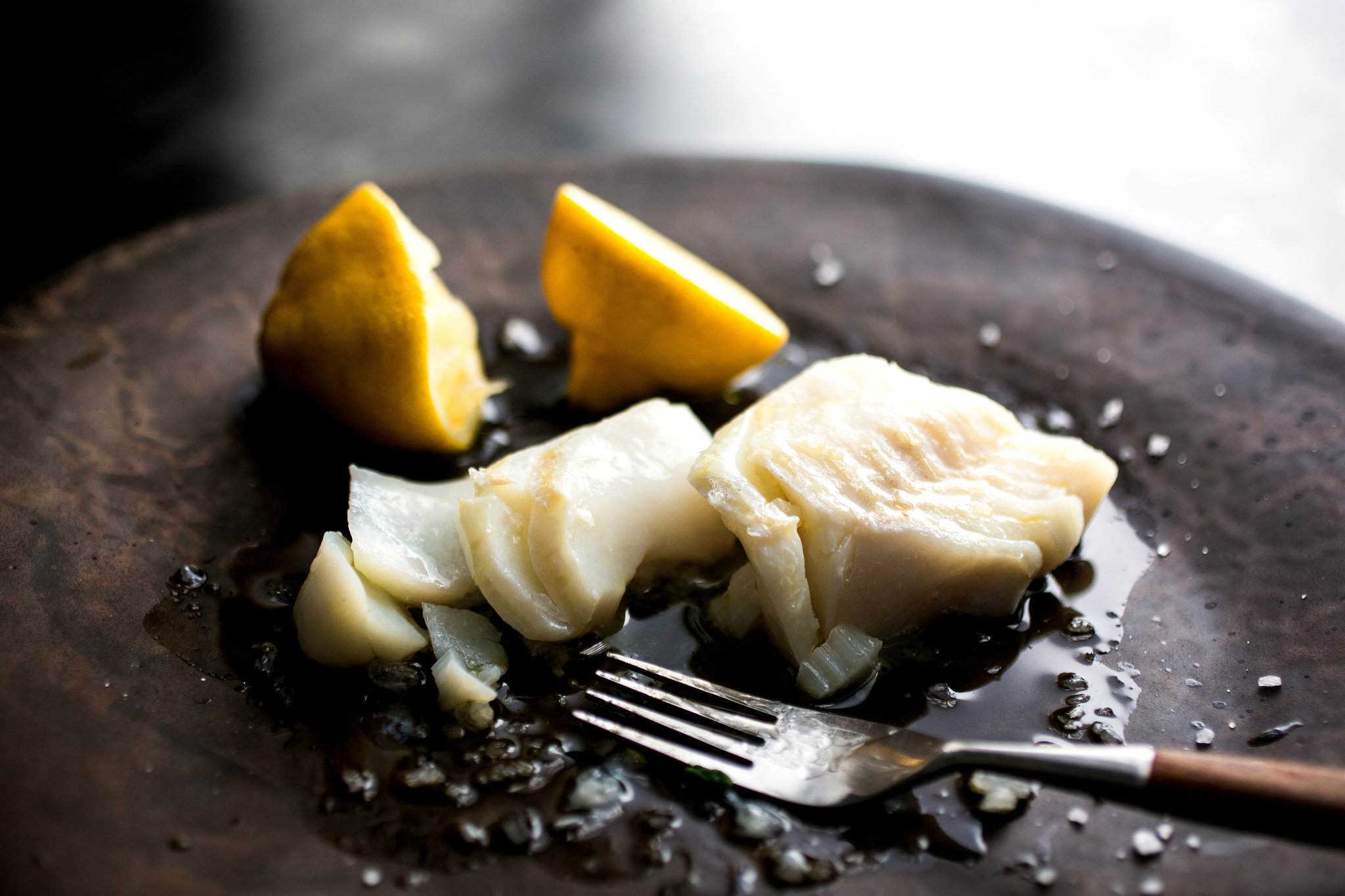
Fermented fish with cod oil is a traditional preparation celebrated for its nutritional benefits, rich flavors, and digestive properties. Combining the power of fermentation with the health advantages of cod oil creates a potent superfood that supports heart health, immunity, and overall well-being. Making it at home allows enthusiasts to control the ingredients, flavor profiles, and fermentation process while preserving the essential nutrients in cod oil. While the process may seem intimidating at first, understanding the basics of fermentation and following reliable techniques can make it both safe and rewarding.
Choosing the Right Ingredients
The first step in creating homemade fermented fish with cod oil is selecting high-quality ingredients. Fresh fish, preferably oily varieties such as mackerel, herring, or cod itself, provide the foundation for a flavorful and nutritious result. The quality of the fish affects both taste and the safety of fermentation. Using fresh, properly cleaned fish reduces the risk of spoilage and ensures a more pleasant texture.
Cod oil, a key component, adds concentrated omega-3 fatty acids and enhances the nutritional value of the dish. When incorporating cod oil into fermentation, it is important to use pure, high-quality oil that is free from contaminants or artificial additives. The combination of fresh fish and cod oil ensures that the final product is both rich in essential nutrients and beneficial for long-term health. Other ingredients, such as sea salt, natural herbs, or spices, help to create the ideal environment for fermentation while adding depth to the flavor.
The Fermentation Process
Fermentation is a natural preservation method that relies on beneficial bacteria to break down sugars and proteins in the fish, creating acids that inhibit the growth of harmful microorganisms. Proper fermentation requires attention to cleanliness, temperature, and timing. Using sterilized containers and utensils helps prevent contamination, while maintaining the correct temperature ensures the growth of the desired bacteria.
The process typically begins by layering the fish with sea salt, which draws out moisture and creates a brine. Cod oil can be added gradually during this stage to maintain its potency without interfering with bacterial activity. The mixture is then covered and left to ferment for a period ranging from several days to several weeks, depending on personal taste and the strength of flavor desired. During fermentation, periodic checking and gentle stirring can help ensure even development while minimizing the risk of spoilage.
Fermented fish with cod oil requires patience, as flavors deepen and textures change over time. It is essential to follow recommended guidelines for salt concentration and fermentation duration to achieve a safe and palatable outcome. Once the process is complete, the fermented fish can be stored in a cool environment to maintain freshness and allow the flavors to continue maturing subtly.
Tips for Flavor and Safety
Balancing flavor and safety is critical when making homemade fermented fish with cod oil. Salt levels should be sufficient to promote healthy bacterial growth while keeping undesirable bacteria at bay. The addition of herbs such as dill, bay leaves, or juniper berries can enhance flavor without affecting fermentation. It is also important to store the fermented fish in airtight containers to prevent exposure to air and reduce the risk of spoilage.
Maintaining proper hygiene throughout preparation is essential. Washing hands, utensils, and containers thoroughly before contact with the fish minimizes contamination. Using a dedicated fermentation vessel, such as a glass jar or food-safe ceramic crock, allows for safe handling and observation of the process. Any signs of mold, off-odors, or unusual discoloration should be treated as warnings, and affected batches should not be consumed.
Temperature control plays a significant role in both safety and flavor development. Cooler temperatures slow fermentation, resulting in milder flavors, while slightly warmer environments accelerate bacterial activity, producing stronger tastes. Adjusting the temperature according to personal preference allows for customization without compromising safety. By carefully monitoring the environment and following established fermentation principles, homemade fermented fish with cod oil can be both delicious and nutritious.
Serving and Storage Recommendations
Once fermentation is complete, homemade fermented fish with cod oil can be incorporated into meals in various ways. Sliced thinly, it can be served as a topping for salads, crackers, or rice dishes, adding both flavor and nutrition. It can also be blended into sauces, spreads, or dressings, providing a concentrated source of omega-3 fatty acids and beneficial compounds.
Storage is another crucial aspect of maintaining quality. Fermented fish should be kept refrigerated to slow bacterial activity and preserve freshness. In some cases, small batches can be frozen for longer-term storage, although this may slightly alter texture. Properly stored, homemade fermented fish with cod oil can last for several weeks, providing a convenient and healthful addition to meals over time. Sharing tips on safe handling, serving, and storage helps ensure that this traditional preparation remains both enjoyable and beneficial.
Creating fermented fish with cod oil at home offers a unique combination of tradition, flavor, and nutrition. By focusing on high-quality ingredients, following proper fermentation techniques, and adhering to hygiene and storage guidelines, enthusiasts can produce a product that supports health while delighting the palate. The process emphasizes patience, care, and attention to detail, all of which contribute to a successful and rewarding result.
With the right approach, homemade fermented fish with cod oil becomes more than just a preserved food—it is a functional food that supports digestion, cardiovascular health, and overall wellness. Incorporating it into daily meals provides an accessible way to enjoy the benefits of cod oil while embracing a time-honored culinary tradition.