
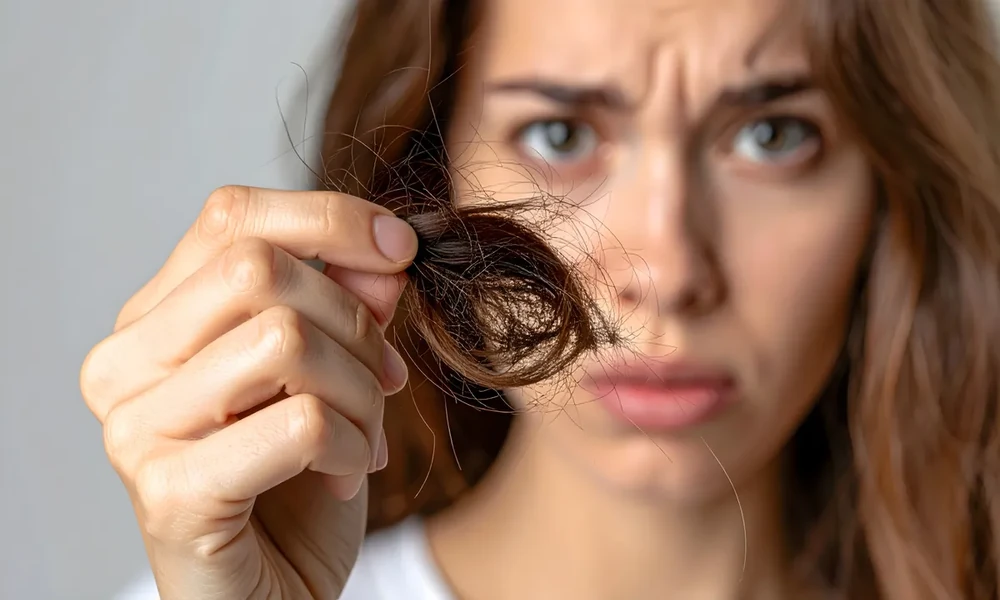
Discovering additional strands of hair on your pillow, in the shower or caught up in your brush can make you feel quite anxious.
In the case of hair fall or thinning, many people instantly resort to hair growth tablets.
Just walk through your nearest pharmacy or go on an internet search and you will discover plenty of hair growth pills available in the market.
But before you begin taking any such supplement, you need to have a basic idea about your hair growth process and what causes hair loss.
Hair growth supplements are indeed effective for some people, but they are not miracles that work for everyone.
They will prove to be most effective when your hair loss is directly related to a deficiency in your body.
How Your Body Prioritizes Hair Growth?
In order to understand the hair loss due to deficiency, you must first understand how the body perceives your hair.
From the biological point of view, hair is not something that you require in order to survive.
Your body always prioritizes your vital organs such as the heart, brain and lungs over anything else.
As soon as the body realizes that there is a lack of nutrients in the body, it starts conserving whatever resources it can.
In order to preserve these resources, the body cuts off all the sources from other parts of the body, which are non-vital.
The hair follicles lack the energy to grow strong hair. They become dormant and you start losing hair a few months after that.
Key Deficiencies That Trigger Hair Loss
Not all vitamin deficiencies lead to hair loss and the ingestion of excessive amounts of any vitamins will not make hair grow faster.
The hair follicles require just a few specific vitamins to produce keratin, which is the substance your hair is made of.
- Iron. Iron is responsible for delivering oxygen to different parts of the body, including the scalp. The lack of oxygen in the hair follicles prevents them from proper functioning. Iron deficiency is one of the most widespread nutritional causes of hair thinning, particularly among women. You do not have to suffer from anemia to face hair loss due to the low levels of iron.
- Vitamin D. The reason behind the production of hair follicles through which hair will grow is this very vitamin. The lack of Vitamin D results in the slowing down of hair growth and even excessive hair shedding. Many people spend most of their time inside, so they lack Vitamin D.
- Protein and Amino Acids. Since hair is basically protein, an imbalance in protein levels will be seen through the head hair. When you lack an adequate amount of protein through food intake, the body will preserve the available amount of protein by stopping hair growth to use elsewhere.
- Zinc and B Vitamins. Zinc helps hair growth as well as repair, while the B vitamins, particularly folate and vitamin B12, aid in the creation of the red blood cells which nourish the scalp. Though a deficiency in biotin is very uncommon, other B vitamins or zinc deficiency weakens the hair follicles.
How Hair Growth Tablets Actually Work?
Hair growth tablets are nothing but targeted multivitamins that make sure that the deficiencies discussed above are met.
By taking tablets with iron, Vitamin D, zinc or amino acids, you are making sure that you restore the levels of these nutrients in your body.
Once your nutrient levels become normal, your body starts feeling safe enough to allocate the nutrients once again to your scalp. The hair follicles come out of the dormant state and start making healthy hair once again.
Nevertheless, one should have realistic expectations about time frames. Hair grows rather slowly and usually no faster than half an inch in a month. Even after the restoration of your nutrient levels, the hair follicles need some time to adjust. You will have to wait from three to six months after you start using targeted vitamins before you stop losing hair and start seeing new hair growth on your hairline.
When Tablets Will Not Help?
The first myth surrounding hair supplements is that they can solve all forms of hair loss problems. In case your vitamin and mineral intake is at the recommended level, adding more hair growth supplements will not make your hair thicker.
The water-soluble vitamins will be excreted from your body and the extra supplements will not force your follicles to produce hair faster.
Moreover, hair loss is not always related to your dietary habits. There are many other reasons that cause hair thinning such as genetic pattern baldness, hormone imbalances, thyroid diseases, high stress levels as well as rough hair styling practices.
A vitamin supplement will not prevent the hormones causing genetic hair loss from affecting your body.
The Risks of Guessing Your Dosage
Due to the fact that hair regrowth drugs are available without prescription, there exists an idea that such drugs are absolutely safe. This is not always true.
When you consume large quantities of some nutrients that you actually do not need in order to promote hair growth, things may turn out badly, making you experience increased hair loss.
For instance, consuming too much iron will be harmful for your liver, if you have normal amounts of it. An overdose of vitamin A and selenium can also result in hair loss.
Besides, excessive use of biotin contained in many hair drugs can lead to false results in heart and thyroid exams.
Steps to Take Before Starting Supplements
In case you are concerned with thinning hair, it is best to see a doctor, and not guess in the supplement section of the store. A blood test can help determine your body’s state and check such important parameters as iron stores, Vitamin D, thyroid function as well as many more.
With accurate test results at hand, your doctor will be able to advise you on precisely what your body lacks, and how much of each you need to take to restore the balance. Taking supplements together with a diet rich in leafy vegetables, protein sources, nuts as well as whole grains will help provide the best conditions for your hair to grow.
Conclusion
A deficiency-induced hair loss happens when your body does not have enough important nutrients, such as iron, Vitamin D, zinc as well as protein. It has no choice but to shut down the energy supply to hair follicles.
Taking hair growth tablets that will restore your body’s natural balance of nutrients can help fix such hair loss problems, but only in case there really is a deficiency. Supplements are not a magic solution to hair problems and cannot fix hair loss that is due to genetics or hormones.