

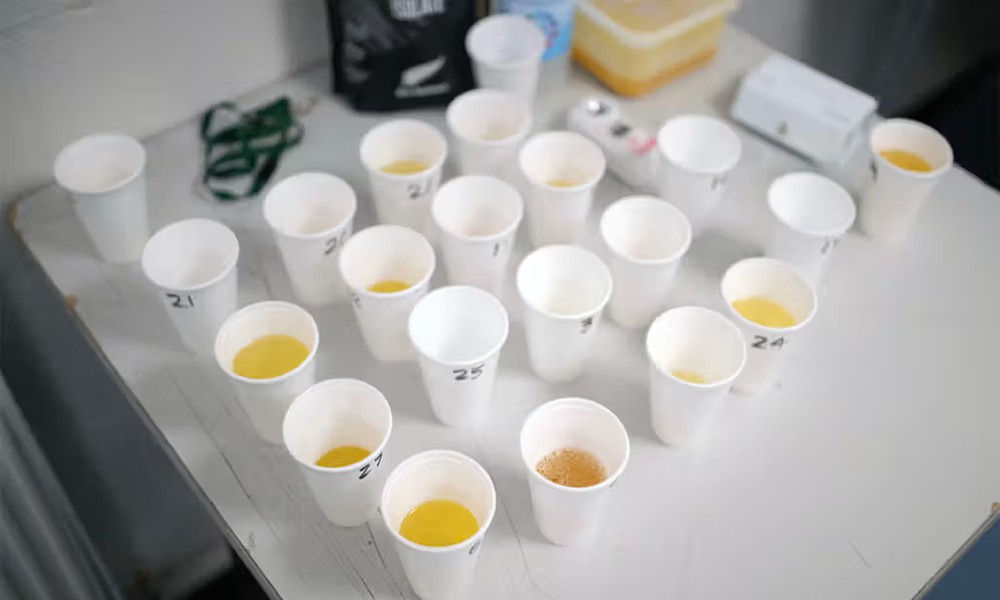
People often search for information about sample replacement products because questions continue to appear across public discussions. Some want to understand their purpose, while others look for basic facts about how these products are presented. Fake Urine products are frequently mentioned during these conversations. Public interest usually focuses on reliability claims, product descriptions, legal concerns, purchasing choices, and common misunderstandings. Clear information helps separate facts from assumptions. Learning about these products allows people to understand why they remain a topic of discussion across different situations. Awareness also supports better decisions when reviewing available information from various sources.
Public Interest Continues Growing
Interest in these products remains visible because people regularly discuss their availability, descriptions, and advertised functions. Public conversations often focus on understanding what these products claim to do and how sellers present them through different channels.
Product Purpose And Claims
Manufacturers commonly describe these products as sample substitutes designed to resemble expected characteristics. Product descriptions often highlight features intended to match certain standards. Buyers frequently review these claims before considering available options.
Common Questions From Buyers
Potential buyers often seek direct information regarding usage instructions, storage guidance, and expected performance. Questions usually focus on practical details rather than technical explanations. This demand encourages detailed product descriptions from sellers.
Understanding Product Components
Most products contain ingredients selected to imitate certain physical characteristics. Information about included materials is often provided within packaging details. Understanding these components helps people evaluate product descriptions more carefully.
Storage Guidelines And Care
Storage recommendations are usually provided to maintain product condition before use. Following manufacturer guidance may help preserve intended characteristics. Product instructions often explain suitable handling practices and general maintenance requirements.
Legal Factors Worth Knowing
Rules concerning these products may vary depending on specific circumstances. Understanding relevant requirements remains important before making decisions. Reviewing available guidance can help prevent misunderstandings regarding acceptable use and responsibilities.
Marketing Messages And Expectations
Advertising often highlights benefits intended to attract attention. Consumers should compare promotional statements with available information before forming opinions. Careful review may help create realistic expectations regarding product performance and claims.
Evaluating Available Information Sources
Reliable information supports informed choices. Comparing details from multiple sources may improve understanding. Checking consistency across descriptions helps identify useful information while reducing confusion caused by unsupported statements or exaggerated claims.
Current Consumer Awareness Trends
Interest continues because people seek practical answers about product availability and advertised features. Public attention remains connected to education, understanding, and responsible evaluation of information found through various sources.
Careful evaluation remains important when reviewing products promoted for sample substitution purposes. Looking beyond promotional language can help create a clearer understanding of what is being offered. Reliable information, thoughtful comparison, and awareness of applicable requirements support responsible decision-making. Public discussions often contain mixed viewpoints, making independent review valuable. Fake Urinecontinues to attract attention because of ongoing curiosity surrounding product claims and availability. Taking time to examine facts, verify details, and assess information sources can help individuals form balanced opinions based on understanding rather than assumptions.