
Penile torsion is a congenital condition in which the penis is rotated along its axis, often observed at birth. While mild cases may go unnoticed or require minimal intervention, more pronounced torsion can impact both cosmetic appearance and function, leading parents and patients to seek corrective surgery. Understanding the process and expectations surrounding penile torsion surgery is crucial for families navigating this condition, ensuring informed decisions and smoother recovery.
Identifying the Need for Surgery
Not all cases of penile torsion require surgical correction. Pediatric urologists assess the degree of rotation, typically measured in degrees of torsion, to determine if intervention is necessary. Mild rotations under 30 degrees are often considered within normal variation and may not require correction, while more severe torsion, particularly when exceeding 45 degrees, is generally recommended for surgical correction.
In addition to visual assessment, the presence of associated conditions, such as hypospadias or chordee, can influence the decision to proceed with surgery. Correcting penile torsion at the same time as other procedures can reduce overall recovery time and minimize the need for multiple interventions. Timing is also critical, as most surgeons prefer to perform corrective surgery in early childhood, often between six months and one year of age, to optimize outcomes and reduce psychological impact as the child grows.
Parents should have a clear understanding of the goals of surgery. The primary objective is to realign the penis along its natural axis, correcting rotational deformity. Surgeons also aim to preserve tissue integrity, ensure proper function, and achieve a natural appearance. Discussing expectations, potential risks, and the surgical plan with a qualified pediatric urologist provides reassurance and clarity for families preparing for the procedure.
The Surgical Procedure for Penile Torsion
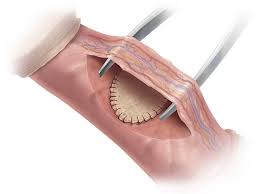
Surgical correction of penile torsion typically involves a procedure called de-rotation or dorsal realignment. Under general anesthesia, the surgeon carefully dissects the penile skin and underlying tissue to release any tethering that contributes to rotation. In some cases, sutures are placed strategically along the corporal bodies to maintain proper alignment once the torsion is corrected.
The procedure is generally performed on an outpatient basis, allowing most patients to return home the same day. The surgery itself is relatively short, often lasting between one and two hours depending on the severity of the torsion and the presence of associated conditions. Surgeons prioritize minimally invasive techniques when possible, ensuring precision while minimizing tissue trauma.
Modern advancements in pediatric urology have improved surgical outcomes for penile torsion. Surgeons now employ refined techniques to reduce scarring, enhance cosmetic appearance, and preserve erectile and urinary function. Additionally, careful intraoperative assessment ensures that torsion is fully corrected, preventing the need for additional interventions in the future.
Post-Operative Care and Recovery
Following surgery for penile torsion, proper post-operative care is essential for healing and optimal results. Patients typically wear a protective dressing or penile wrap for several days, which helps maintain alignment and prevent accidental trauma. Pain management is provided using age-appropriate medications, and most children experience only mild discomfort.
Parents are advised to monitor the surgical site for signs of infection, swelling, or unusual bleeding. Routine follow-up appointments allow the surgeon to assess healing, remove sutures if necessary, and ensure that the penis maintains proper alignment. Recovery times can vary, but most children return to normal activities within a few weeks, and the long-term prognosis is generally excellent.
Education on hygiene and gentle handling is also crucial during recovery. Parents are guided on how to clean the area without disturbing the surgical site, and children are encouraged to avoid vigorous activities until cleared by the surgeon. With attentive care, most patients experience a smooth recovery and achieve satisfactory functional and cosmetic outcomes.
Risks and Considerations
As with any surgical procedure, correcting penile torsion carries potential risks, though serious complications are rare. Common concerns include temporary swelling, minor bruising, or localized discomfort, all of which typically resolve during the initial recovery period. Infection is uncommon but requires prompt attention if it occurs.
In rare cases, overcorrection or undercorrection may result, potentially necessitating further intervention. Surgeons mitigate these risks through careful planning, precise surgical technique, and thorough intraoperative assessment. Long-term complications affecting urinary or sexual function are uncommon when surgery is performed by experienced pediatric urologists.
Families should also be aware of psychological considerations. Although surgery is often performed at an early age, ensuring that children grow up with a positive self-image is important. Parents are encouraged to discuss any concerns with the healthcare team and maintain open communication throughout the treatment process.