

Understanding the aesthetic effects of rapid weight loss and how to restore balance
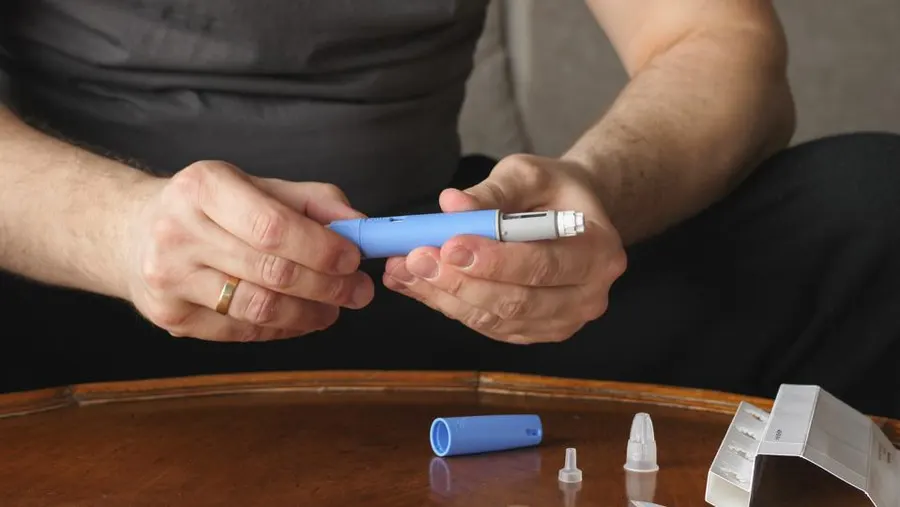
GLP-1 medications such as Ozempic and Wegovy have quickly become some of the most talked-about solutions for weight loss. Patients across the country, including in Newport Beach, are achieving significant reductions in body weight in a relatively short period of time. While the health benefits are undeniable, many individuals are surprised by the physical changes that accompany rapid weight loss.
Beyond the number on the scale, patients often notice shifts in their facial appearance, skin quality, and overall body contour. These changes are not always anticipated and can sometimes leave patients feeling that their transformation is incomplete.
Board-certified plastic surgeon Dr. Siamak Agha, founder of The Aesthetics Centers in Newport Beach, works closely with patients navigating these changes. His expertise focuses on restoring natural proportions and helping patients achieve a balanced, refined outcome after weight loss.
How GLP-1 Medications Affect Fat Distribution
GLP-1 medications function by regulating appetite and slowing gastric emptying, leading to reduced caloric intake and consistent weight loss. However, fat loss does not occur selectively. The body loses fat from multiple areas simultaneously, including the face, which plays a critical role in overall appearance.
Facial fat contributes to youthful contours, particularly in the cheeks, temples, and under-eye areas. When this volume diminishes quickly, the face can appear hollow or more aged. This effect is often one of the first changes patients notice.
Similarly, fat loss in the body can lead to a reduction in fullness in areas like the hips, buttocks, and thighs. While some patients welcome this change, others discover that it alters their natural proportions in unexpected ways.
Why Rapid Weight Loss Impacts Skin Elasticity
Skin elasticity is a key factor in how the body adapts to weight loss. When weight is lost gradually, the skin has more time to adjust and contract. With rapid weight loss, however, the skin may not keep pace with the shrinking volume beneath it.
This is particularly noticeable in areas where the skin has been stretched over time, such as the abdomen or upper arms. Collagen and elastin fibers, which provide structure and resilience, may not rebound effectively, resulting in loose or sagging skin.
Age, genetics, and the amount of weight lost all influence how the skin responds. Patients who lose a significant amount of weight quickly are more likely to experience visible skin laxity.
“Rapid weight loss transforms your body, but the skin and underlying structure often need additional support to fully adapt.”
Facial Changes After GLP-1 Weight Loss
Facial changes are among the most discussed effects of GLP-1 weight loss. Patients frequently report a more angular appearance, with increased visibility of bone structure and a reduction in soft tissue volume.
The cheeks may appear flatter, the temples more hollow, and the jawline less defined due to skin laxity. In some cases, patients feel that they look older despite achieving their weight loss goals.
These changes are often referred to as “Ozempic face,” though they are not unique to any specific medication. They are simply a result of significant fat loss occurring at a rapid pace.
Fortunately, modern aesthetic techniques can effectively address these concerns. Treatments such as fat grafting or dermal fillers can restore volume, while surgical options can reposition tissues for a more youthful contour.
Body Contour Changes Beyond the Face
While facial changes tend to draw immediate attention, the body also undergoes significant transformation. Areas that once had fullness may appear deflated, and excess skin can develop as volume decreases.
The abdomen is one of the most common areas affected. Even with a healthy lifestyle and regular exercise, loose skin may persist. The arms and thighs can also develop sagging skin, which may impact both appearance and comfort.
Additionally, the loss of fat in the buttocks can change body proportions, leading some patients to feel that their silhouette no longer reflects their desired aesthetic.
Plastic surgery offers targeted solutions for each of these concerns. Procedures such as tummy tucks, arm lifts, and fat transfers can restore balance and improve overall contour.
The Role of Personalized Treatment Planning
Every patient’s experience with GLP-1 weight loss is unique. The degree of change, the areas affected, and the patient’s goals all vary significantly. This understanding is why a personalized approach is essential when considering aesthetic treatments.
Dr. Siamak Agha takes a comprehensive view of each patient’s anatomy and transformation journey. Rather than focusing on a single concern, he evaluates how different areas of the body and face work together to create overall harmony.
This approach allows for more natural-looking results. By addressing both volume loss and skin laxity, patients can achieve a refined outcome that aligns with their expectations.
“The goal is not just to remove excess skin or add volume, but to restore a sense of balance that looks and feels natural.”
When to Consider Plastic Surgery After Weight Loss
Timing is an important consideration for patients exploring plastic surgery after GLP-1 weight loss. It is generally recommended that patients reach and maintain a stable weight before undergoing procedures.
This stability ensures that results are long-lasting and reduces the risk of changes after surgery. It also allows the surgeon to accurately assess the extent of skin laxity and volume loss.
Patients should also consider their overall health and readiness for surgery. A consultation with an experienced plastic surgeon can help determine the appropriate timing and treatment plan.
In Newport Beach, Dr. Siamak Agha provides detailed consultations to guide patients through this process, ensuring that each step is aligned with their goals and expectations.
Long-Term Considerations for Maintaining Results
Achieving a successful outcome after GLP-1 weight loss and plastic surgery involves more than the procedures themselves. Maintaining a stable weight, following a healthy lifestyle, and adhering to post-operative care recommendations are all essential.
Proper skincare, hydration, and non-surgical treatments can also support skin quality. These efforts help preserve results and enhance overall appearance over time.
Patients who take a proactive approach to their health and aesthetics are more likely to enjoy long-lasting, satisfying outcomes.
FAQs
Why does my face look older after weight loss?
Rapid fat loss can reduce facial volume, leading to hollow areas and more visible lines, which can create an aged appearance.
Is “Ozempic face” permanent?
No, it can be effectively treated with volume restoration techniques such as fat grafting or dermal fillers.
Can exercise fix loose skin after weight loss?
Exercise improves muscle tone but does not remove excess skin. Surgical options are typically required for significant laxity.
When should I consult a plastic surgeon after weight loss?
It is best to consult once your weight has stabilized and you are close to your long-term goal weight.
Conclusion
GLP-1 weight loss has helped many patients achieve life-changing results, but it also introduces new aesthetic considerations that should not be overlooked. Changes in facial volume, skin elasticity, and body contour are a natural part of rapid weight loss.
For patients seeking to complete their transformation, plastic surgery offers advanced, personalized solutions. In Newport Beach, Board-Certified Plastic Surgeon Dr. Siamak Agha at The Aesthetics Centers provides expert care designed to restore balance, enhance natural beauty, and deliver long-lasting results.
Schedule a private consultation with Dr. Siamak Agha at The Aesthetics Centers in Newport Beach to explore how a customized treatment plan can help you achieve your ideal outcome after weight loss.










![Are Generic ED Pills Safe Like Branded Viagra? [Answered]](https://getstayhealthy.com/wp-content/uploads/2024/10/sildenafil-100mg-1080x675-1.jpg)