

Key Takeaways
- More than just back pain: Recognize that radicular pain typically signals underlying nerve root pressure, rather than just muscular soreness.
- Don’t ignore the signs: Early medical intervention is crucial; ignoring nerve symptoms can lead to lingering weakness or sensory issues.
- Your recovery roadmap: You’ll see the best results by combining targeted, professional movement strategies with expert clinical management.
Introduction
A sharp sensation that travels from your lower back through your hip and down your leg is a clear signal that something is wrong with your nervous system. This experience, often referred to as radicular pain, is frequently the result of a nerve root being compressed or irritated in the lumbar spine. It is a distressing symptom that can make walking, standing, or even sleeping a significant challenge. For many people, the goal is not just to mask the sensation but to find a permanent way to alleviate the pressure on the nerve. Addressing these symptoms early is the key to preventing them from becoming a chronic burden on your daily life.
Identifying the Cause of Irritation
The first step in any successful recovery is pinpointing the exact location and cause of the nerve compression. Instead of living in uncertainty, it helps to understand what might be happening beneath the surface. Common culprits often include:
- Herniated Discs: The soft cushioning between vertebrae bulging out.
- Bone Spurs: Bony growths that can narrow the spinal canal.
- Stenosis: A natural narrowing that places pressure on nerve roots.
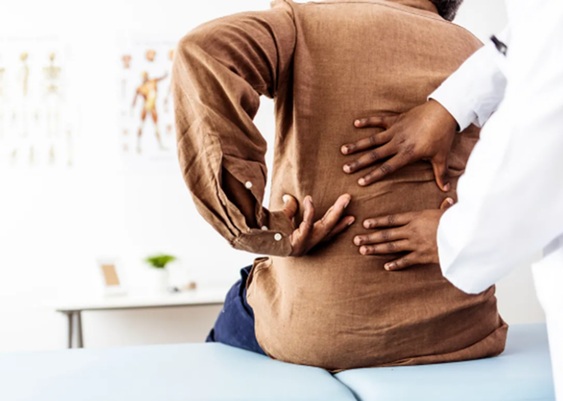
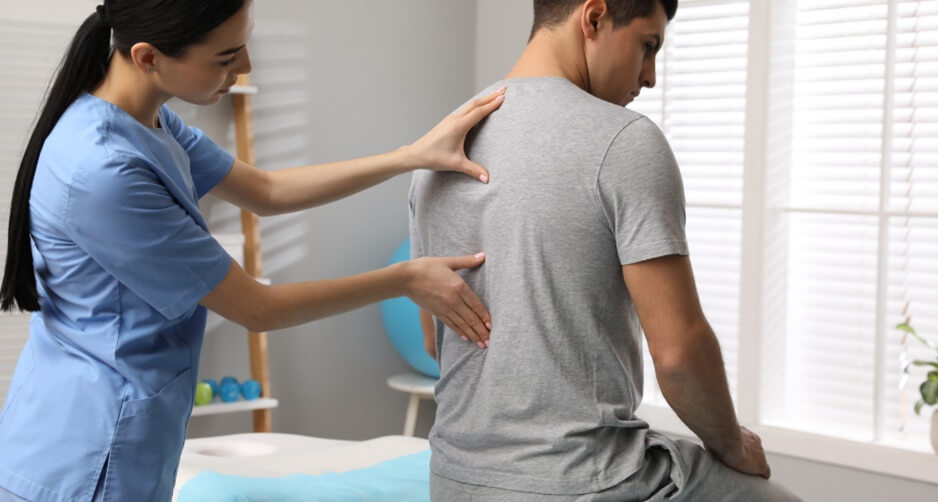
When you seek professional help, a specialist will use targeted physical tests and advanced imaging to confirm the diagnosis. Understanding which specific nerve is affected allows for a much more accurate management plan. By focusing on the structural cause of the irritation, you can move away from generic remedies and toward a solution that addresses the unique needs of your spine.
Conservative and Physical Management
In many cases, the body has a remarkable ability to heal if given the right support and environment. Physical therapy is a cornerstone of recovery, focusing on exercises that relieve pressure on the sensitive nerve roots.
Core Recovery Strategies:
- Deep Core Stabilization: Strengthening the muscles that support your lower back.
- Flexibility Training: Reducing tension in the muscles surrounding the spine to decrease pull on the nerves.
- Guided Movement: Ensuring you are moving in ways that encourage blood flow rather than irritation.
This active approach is often the most effective form of lumbar radiculopathy treatment for those who are in the early stages of their symptoms. Consistent movement, guided by a professional, encourages blood flow to the nerves and helps to reduce the chemical irritation that causes discomfort.
The Role of Targeted Interventions
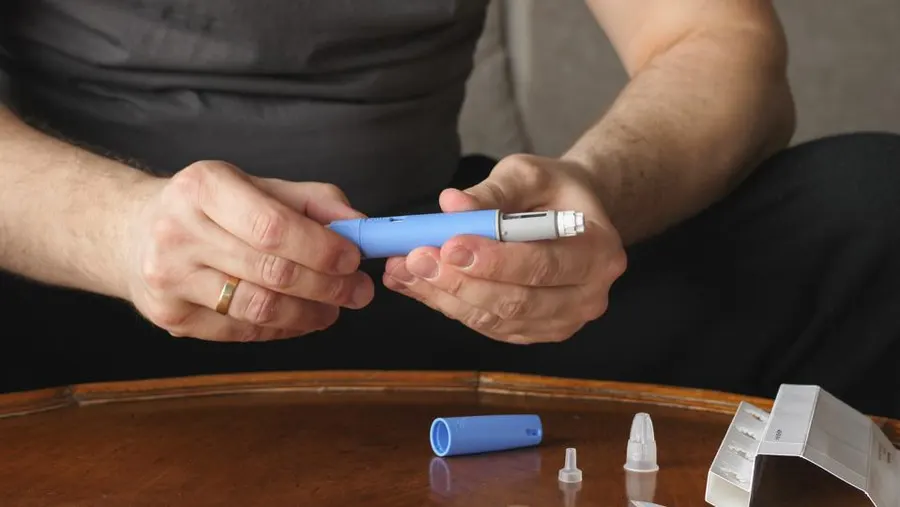
When physical therapy alone is not enough to manage the intense sensations of radicular pain, there are several medical interventions that can provide significant relief. Think of these as a bridge to get you back to your regular routine.
| Intervention Type | Purpose | Benefit |
| Targeted Injections | Deliver anti-inflammatory medication | Calms the nervous system |
| Advanced Diagnostics | Pinpoint the exact root cause | Elimilates guesswork |
| Minimally Invasive Care | Address the source directly | Faster return to daily activities |
This can calm the nervous system and provide a window of relief, making it easier for you to participate in rehabilitation. These procedures are minimally invasive and are designed to address the symptoms at their source. For many, this combined approach provides the breakthrough needed to return to a normal level of activity without the constant fear of a flare-up.
Frequently Asked Questions
- How do I know if my pain is nerve-related? Unlike typical muscle soreness, nerve discomfort often involves a shooting, electric, or “pins and needles” sensation that travels down the leg.
- Is surgery the only way to fix this? Not at all. The vast majority of cases see significant improvement through conservative, targeted care and lifestyle adjustments.
- What should I do immediately to help? Avoid heavy lifting or strenuous twisting, and contact a spine specialist to get a proper diagnosis before starting any new, intensive exercise regimen.
Long-Term Maintenance and Prevention
Once the initial pain has subsided, the focus shifts to preventing the issue from returning in the future. Think of this as “spine-proofing” your lifestyle.
- Weight Management: Reducing unnecessary load on your spine.
- Ergonomics: Optimizing your workspace to prevent slouching or strain.
- Proactive Check-ups: Regular visits allow you to monitor progress and adjust your movement habits.
By staying proactive about your spinal mechanics, you can keep your nerves healthy and your lower back strong. Consistency in your daily habits is the most reliable way to ensure that you remain mobile and pain-free for years to come.
Recovering from nerve-related discomfort requires a balanced approach of professional guidance and personal dedication. By seeking an appropriate lumbar radiculopathy treatment, you are taking a decisive step toward protecting your long-term mobility. Addressing the root cause of radicular pain allows your body to heal and prevents the progression of nerve damage. Your spine is the foundation of your movement, and keeping it healthy should always be a priority. With the right care, you can overcome the challenges of nerve irritation and return to the activities you enjoy most.
Contact Achieve Spine and Orthopaedic Centre to find relief from nerve discomfort.