

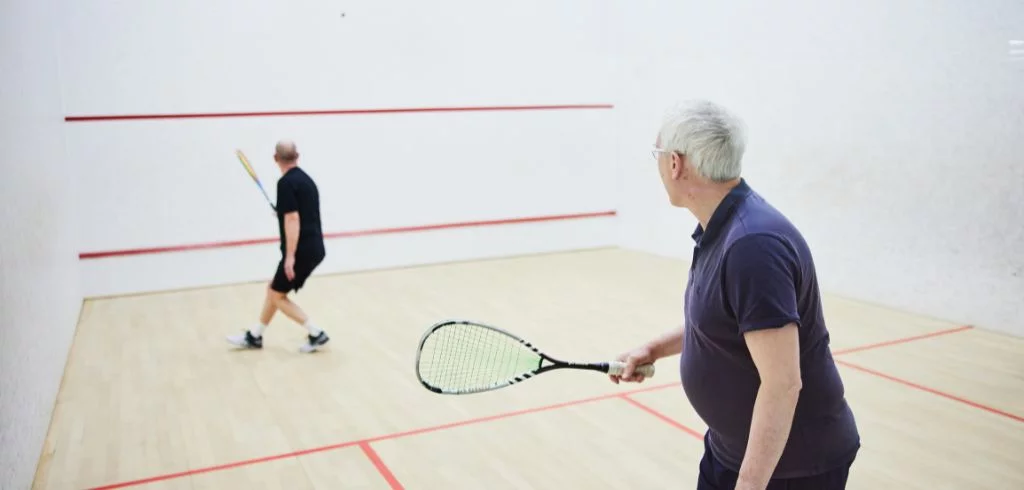
The sound of the ball echoing off the squash court walls is exhilarating, but there’s something uniquely motivating about sharing that court with a partner. Whether you’re driven by friendly rivalry or the desire to push your limits, partner play in squash transforms the game into a dynamic, social, and skill-building experience.
What Is Partner Play in Squash and How Does It Work?
Squash might seem like a solitary battle of wits and fitness, but the sport thrives on partnership. Partner play refers to any scenario where two or more players engage in practice or competitive matches together, rather than solo drills or solo play.
Defining Partner Play: More Than Just a Game
At its core, partner play is about interaction. It breaks the isolation of solo sessions, infusing every rally with unpredictability, strategy, and shared energy. Whether you’re practicing with a friend before work or facing off against a new rival in a club league, the presence of another human changes the dynamics completely.
Common Formats: Doubles, Rotations, and Practice Partners
Partner play isn’t limited to classic singles matches. Doubles squash, where teams of two share a single court, introduces new tactics and rapid-fire exchanges. Rotational drills, where players take turns hitting or defending, keep things fresh and foster adaptability. Even informal sessions with a practice partner can unlock skills that solo routines simply can’t.
How Does Partner Play Improve Your Squash Skills?
There’s no denying the technical demands of squash: speed, agility, accuracy, and anticipation. But these skills develop faster and deeper when sharpened against another real-time opponent.
Enhancing Tactical Awareness Through Real-Time Interaction
When you face a partner, you’re constantly reading and reacting. Every shot, fake, and rally becomes a lesson in anticipation and strategy. You learn to disguise your moves and adapt to your partner’s strengths and weaknesses, fostering a level of game intelligence that solo play rarely achieves.
Boosting Physical Conditioning with Varied Play Styles
No two partners play exactly the same way. One might be a relentless attacker, forcing you to scramble; another prefers defensive lobs, demanding patience and stamina. This constant variation pushes your body and mind beyond familiar comfort zones, improving your all-around fitness and resilience.
Developing Communication and Court Awareness
Partner play in doubles or group drills requires clear, concise communication. You quickly discover that a well-timed call or gesture can make the difference between a winning volley and a collision in the middle of the court. These soft skills translate directly into smoother teamwork and smarter positioning.
In What Ways Does Partner Play Increase Enjoyment and Motivation?
Squash is famously intense, but it’s also surprisingly social. Sharing the highs and lows with a partner can turn a tough workout into a highlight of your week.
The Social Element: Building Community and Camaraderie
There’s a special camaraderie that comes from sweating through a close match or laughing off a wild rally. Clubs and local leagues naturally foster friendships, expanding your network and making every visit to the court something to look forward to.
Friendly Competition: Driving Improvement and Fun
Nothing sharpens your focus like the desire to outplay a friend. Healthy competition doesn’t just accelerate improvement; it makes every game memorable. The drive to “win just one more point” keeps motivation high and complacency at bay.
Sharing Progress and Celebrating Milestones Together
It’s one thing to notch a personal best, but quite another to share that achievement with someone who’s seen your progress firsthand. Celebrating breakthroughs together, whether it’s a first tournament win or simply a great rally, adds meaning to the grind.
What Are the Best Practices for Finding and Maintaining a Good Squash Partner?
The right partner can elevate your game and enjoyment. The wrong fit can hold you back or sap your enthusiasm. Finding and keeping a great partner takes a bit of strategy.
Where to Find Partners: Clubs, Leagues, and Online Communities
Squash clubs are natural hubs for partner play. Facilities like West-End Cavendish squash not only offer dedicated courts but also foster a welcoming environment for meeting new players. Leagues, tournaments, and even online forums or social apps dedicated to squash can connect you with partners at your level.
Setting Goals and Matching Skill Levels
Before you step on court, talk about your goals. Are you aiming for intense match play, relaxed rallies, or focused drills? Matching skill levels is important, but so is shared intent. Open communication minimizes frustration and maximizes growth.
Communication Tips for Positive Partner Dynamics
Honesty and encouragement go a long way. Give constructive feedback, but don’t dwell on mistakes. A quick check-in after a session, “What did you like? What should we try next time?”, keeps the partnership strong and focused.
Can Partner Play Help Overcome Common Squash Challenges?
Even the most dedicated players hit roadblocks, whether it’s a stubborn plateau or nerves in key moments. Partner play can help you break through.
Breaking Through Plateaus With New Perspectives
A partner sees your game with fresh eyes. They might spot a technical flaw or suggest a tactical twist you’d never considered. Swapping roles, taking turns as attacker or defender, can unlock new strategies and reignite stalled progress.
Managing Pressure and Building Confidence
Facing an opponent in practice conditions you to handle pressure situations during real matches. You learn to embrace nerves, recover from mistakes, and trust your training, all while having support from a partner who understands the struggle.
Injury Prevention Through Supportive Play
Partners can help each other warm up properly, spot risky movements, and pace sessions to avoid burnout. Keeping each other accountable for rest and recovery reduces overuse injuries and extends your time on the court.
How Do Facilities Like Montreal Squash Support Partner Play?
A great squash experience requires more than just a racquet and a ball. The right facility can make all the difference in supporting partner play.
Court Availability and Booking Flexibility
Clubs like Montreal Squash offer multiple courts and flexible booking, ensuring you and your partner can reserve time that fits your schedules. This consistency fuels steady progress and reliable routines.
Membership Specials and Partner Incentives
Affordable monthly rates (like $49.97 per month for squash members) make it easy to commit to regular partner play without breaking the bank. Many clubs also offer special deals or referral incentives if you bring in new players, lowering barriers and encouraging community growth.
Combining Squash With Other Sports for Holistic Fitness
Facilities that house multiple sports, tennis, basketball, fitness classes, allow you and your partner to supplement your squash sessions with cross-training. Mixing things up keeps routines fresh and helps prevent overuse injuries.
What Equipment and Preparation Enhance Partner Play Sessions?
While passion and persistence matter most, a little preparation can supercharge your partner sessions.
Gear Essentials for Doubles and Partner Practice
Investing in quality eye protection, comfortable shoes, and a reliable racquet makes every session safer and more enjoyable. Doubles players might consider specialized balls or racquets suited to the faster pace and tighter quarters.
Warm-Up and Cool-Down Routines to Share
Warming up together isn’t just practical, it’s a bonding ritual. Joint mobility drills, shared stretching, and partner-based footwork exercises prime your bodies and minds for peak performance. Cooling down together helps reinforce healthy habits and provides space to discuss the session.
Tracking Progress Together With Technology
Apps and wearable trackers can help you and your partner set goals, log drills, and chart improvement over time. Shared progress tracking adds accountability and makes every milestone more rewarding.
How to Transition From Partner Play to Competitive Success?
For many players, partner play is the bridge to formal competition. The skills and confidence gained on court together translate directly into tournament readiness.
Using Partner Play as a Stepping Stone to Tournaments
Regular match play with a partner mimics real competition, building the tactical depth and composure you’ll need in a tournament setting. Practicing under pressure prepares you to handle the unpredictability of official matches.
Learning From Partners’ Strengths and Weaknesses
Each partner brings unique skills and approaches. By observing and adapting to their styles, you broaden your own game and develop the versatility required to face a diverse field of opponents.
Building Long-Term Skills and Passion Through Ongoing Play
At the end of the day, partner play isn’t just about improvement, it’s about sustaining a lifelong love for squash. The friendships, shared goals, and collective triumphs ensure you keep coming back to the court, season after season.
Whether you’re new to the game or a seasoned competitor, embracing partner play will transform your squash experience. Not only will you sharpen your skills, but you’ll also find greater joy and connection every time you step onto the court.