

Losing a tooth can change how you chew, speak, and feel about your smile. Modern restorative dentistry offers reliable solutions to rebuild both function and appearance. Two of the most commonly recommended treatments are dental implants and dental bridges. While both replace missing teeth, they work differently and suit different clinical situations.
Understanding how each option functions can help you have a more informed conversation with your dentist.
Understanding Dental Bridges
A dental bridge fills the space left by a missing tooth by anchoring a replacement tooth to neighbouring teeth. These supporting teeth are covered with crowns, and the artificial tooth is attached between them to restore continuity in your bite.
Situations Where Bridges May Be Suitable
A bridge may be considered when:
- nearby teeth already require protective crowns
- surgical procedures are not preferred
- a faster restorative solution is desired
- the gap involves one or two adjacent missing teeth
Because bridges rely on adjacent teeth for support, those teeth must be prepared to hold crowns securely.
Understanding Dental Implants
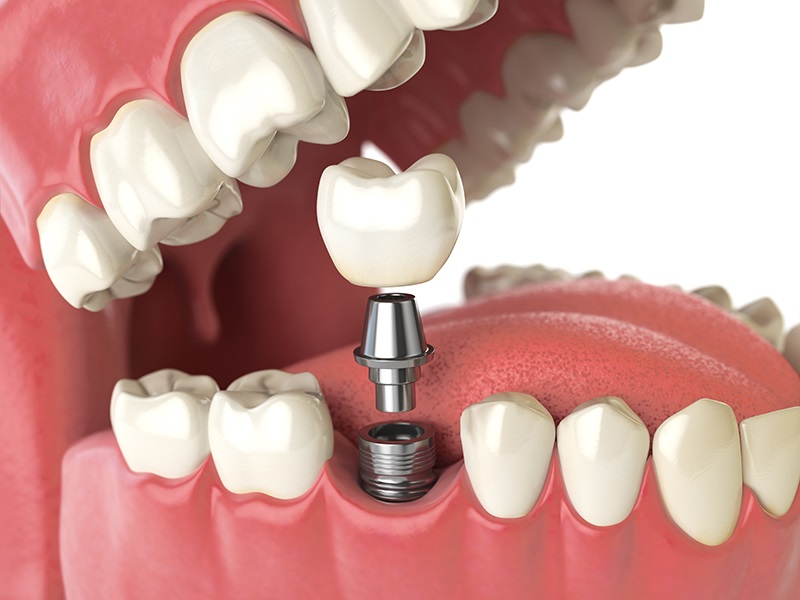
A dental implant replaces the root of a missing tooth using a biocompatible post inserted into the jawbone. After healing, a custom crown is attached, creating a restoration that functions independently from surrounding teeth.
Patients exploring
dental implant treatment options
often appreciate that this approach restores support beneath the gum line rather than relying on neighbouring teeth.
Situations Where Implants May Be Suitable
Implants may be recommended when:
- surrounding teeth are healthy and intact
- long-term structural stability is a priority
- jawbone levels are adequate for placement
- you prefer an independent restoration
A consultation that includes diagnostic imaging helps determine candidacy for implant placement.
Key Differences Between Dental Implants and Bridges
Structural Support
Bridge: Supported by adjacent natural teeth
Implant: Anchored directly into the jawbone
Effect on Surrounding Teeth
Bridge: Requires modification of neighbouring teeth
Implant: Leaves adjacent teeth unchanged
Bone Health Consideration
Bridge: Does not replace the tooth root structure
Implant: Functions similarly to a natural root, helping support the bone
Procedure Type
Bridge: Restorative procedure without surgical placement
Implant: Includes a minor surgical phase followed by healing
Timeline
Bridge: Typically completed over a few appointments
Implant: Involves staged treatment with healing between steps
Choosing Based on Individual Needs
There is no single solution that works for every patient. The ideal treatment depends on clinical findings, personal goals, and long-term planning.
A Bridge May Be Considered If:
- adjacent teeth require crowns for structural reasons
- you prefer to avoid surgical procedures
- time constraints influence your decision
An Implant May Be Considered If:
- you want a standalone replacement
- maintaining natural tooth structure nearby is important
- you are looking for long-term tooth replacement solutions
Discussing these preferences with your dental provider ensures the plan reflects your priorities.
Long-Term Considerations
When evaluating tooth replacement options, many patients look beyond appearance and focus on durability and maintenance. Daily oral hygiene, routine dental visits, and overall health all influence the lifespan of any restoration.
Bridges require careful cleaning beneath the artificial tooth to maintain gum health. Implants also require consistent hygiene and professional monitoring to support surrounding tissues.
If you want to better understand
how dental implants replace missing teeth
and what to expect over time, discussing your options with a provider can be helpful.
Clinical Assessment Matters
Selecting between these treatments requires a detailed evaluation of:
- gum condition
- bite alignment
- bone levels
- overall oral health
Diagnostic tools such as digital imaging help determine which restorative path aligns best with your situation.
For those seeking guidance and personalized care,
Cambridge Centre Dental Care
offers consultations to review individual needs and explain available treatment options.
Making an Informed Decision
Both dental implants and bridges are established restorative treatments designed to improve function and aesthetics after tooth loss. The right choice depends on clinical findings, lifestyle considerations, and personal preferences.
If you are comparing options and want clarity about which solution aligns with your oral health goals, scheduling a consultation is the most reliable next step. A personalized assessment helps ensure your treatment plan supports comfort, stability, and long-term oral wellness.
You can visit Cambridge Centre Dental Care at 355 Hespeler Rd, Suite 218, Cambridge, ON N1R 6B3, Canada, or call (519) 624-4640 to book your consultation.