
When it comes to clinical trials, one of the most critical aspects is collecting accurate and reliable data. This requires careful attention to collecting and handling biological specimens, which can be a complex and time-consuming process. To make things easier, various kits are available for use in clinical trials. This article discusses three different types of specimen collection kits and how you can use them to collect specimens for clinical research.
Blood Collection Kits
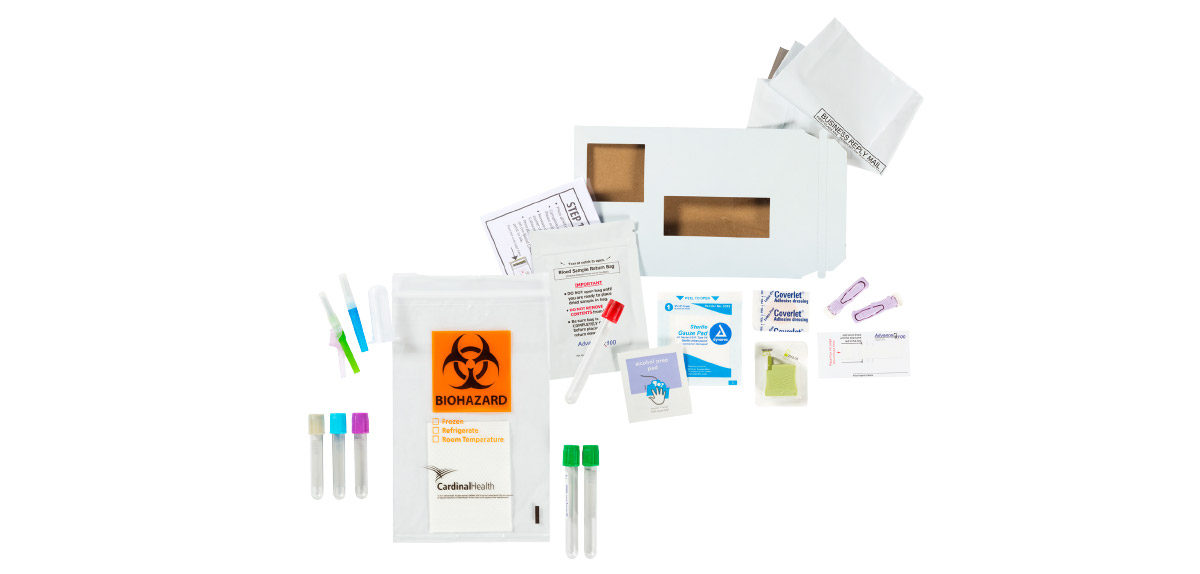
Blood is one of the most commonly collected specimens in clinical trials, as it can provide valuable information about a patient’s health status and response to treatment. Blood collection kits typically include everything needed to collect and transport blood samples, such as needles, tubes, and labels.
Various tubes are available for blood collection, each designed for a specific type of analysis. For example, some tubes contain additives that prevent blood from clotting, while others are used to collect serum or plasma. Proper instructions for collecting and handling blood specimens are also typically included in these types of specimen collection kits to ensure accurate and reliable results.
Urine Collection Kits
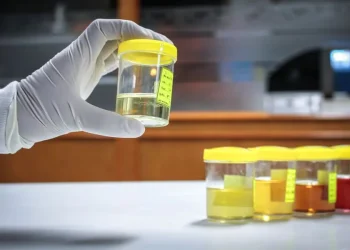
Urine is a goldmine of information that can give crucial insights into kidney function and overall health. Proper specimen collection and handling is the key to unlocking this essential information.
Urine collection kits can provide a simple yet effective way to obtain urine samples and analyze them for various health markers. These kits usually come equipped with a sturdy container that can handle even the most generous of flows and detailed instructions for collecting and handling the specimen.
Depending on the type of analysis being performed, these kits may also contain preservatives or other additives to ensure the stability of the sample during transportation and storage. That way, even if your urine travels far and wide to reach the lab, it’ll still be in tip-top shape for analysis.
Saliva Collection Kits
Saliva collection kits have revolutionized the world of clinical trials, allowing researchers to collect valuable biological samples in a non-invasive and user-friendly manner. Participants no longer have to endure painful needle sticks or uncomfortable procedures to provide vital data for medical research.
With saliva collection kits, participants simply provide a small saliva sample, which is then analyzed in the lab for various biomarkers and other vital data. These kits are easy to use and can be sent directly to participants, allowing for remote data collection and reducing the need for in-person visits.
Clinical researchers use saliva collection kits for clinical trials in various studies, from drug development and disease monitoring to genetic research and biomarker discovery. They are instrumental in studies involving vulnerable populations, such as children or elderly patients, who may be unable to tolerate more invasive procedures.
Summing Up
Collecting accurate and reliable data is essential for successful clinical trials, and proper specimen collection and handling is critical. Blood, urine, and saliva collection kits are just a few examples that you can use. Using the suitable kit for the job and following proper collection and handling procedures ensures that your data is accurate and reliable, leading to better patient treatments and outcomes.