

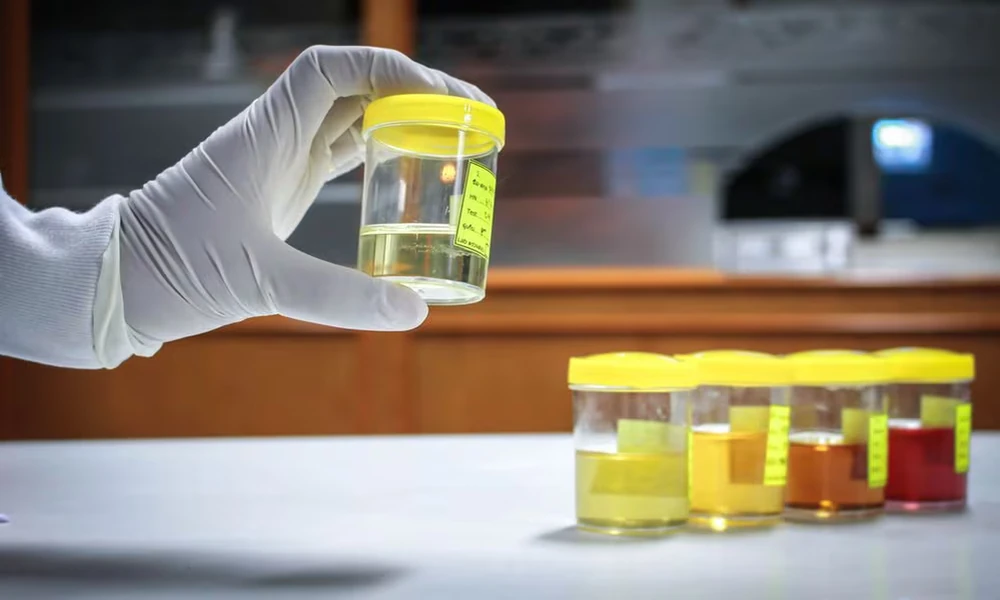
Prepared liquid samples can represent selected features found in ordinary urine. Synthetic urine usually contains water with dissolved substances that create a recognizable sample profile. Different formulas can vary in their ingredient balance and physical traits. Understanding these details makes product descriptions easier to follow. Each formulation can serve a stated purpose based on its design. This synthetic urine guide explains these characteristics in a clear and concise manner.
Core Ingredients And Their Roles
Water usually forms the main base within a prepared sample. Dissolved salts can create measurable chemical traits within the mixture. Other ingredients may influence shade or liquid consistency. These components contribute to the overall structure of the preparation. Formulas can differ because manufacturers may select different ingredients for particular purposes.
Chemical Balance And Measurable Traits
Chemical balance describes measurable properties within a prepared liquid. Acidity can differ between formulas because each mixture may use a different recipe. Dissolved substances can also influence concentration. These characteristics provide useful information when examining the general profile of a prepared sample.
A synthetic urine guide can make these details easier to understand through simple terms. Acidity describes the level of the mixture on a measurable scale. Concentration relates to the amount of dissolved substances within the liquid. Mineral content can influence certain readings. These components create differences between individual formulas.
Color, Texture, and Clarity
Physical traits offer another simple way to describe prepared liquid samples. Color may range from clear to pale yellow depending on the formulation. Texture generally remains liquid because water forms the primary base. Clarity can vary according to the ingredients included within the mixture.
Container Features For Handling
Containers are designed to hold prepared liquid securely during ordinary handling. Different container types can provide varying levels of protection for the contents. Labels may show volume details along with ingredient information. Manufacturing information can also help identify the particular formula.
Formula Consistency Across Batches
Prepared formulas can vary in their characteristics between different manufacturers. Consistent production methods can help maintain similar properties within separate batches. Clear specifications make it easier to understand these differences.
- Consistent coloring creates a familiar visual characteristic across samples.
- Even texture indicates a uniform liquid mixture during handling.
- Listed ingredients clarify the makeup of each prepared formula.
- Defined measurements help describe expected sample characteristics clearly.
- Batch details provide useful information about product preparation standards.
Consistency can also relate to the stated formulation. A sample with clearly described ingredients gives better context for its expected traits. Product information can explain variations between formulas. This allows basic characteristics to be understood without using complicated terminology.
Purpose And Product Scope
Prepared urine substitutes can have different intended purposes based on their formulation. Some may be created for educational demonstrations involving sample characteristics. Others can be used for controlled equipment evaluation or laboratory instruction. The stated purpose provides useful context for understanding the product.
- Educational samples can demonstrate selected liquid characteristics during instruction.
- Reference formulas can provide consistent samples for controlled evaluation.
- Ingredient details distinguish one preparation from another clearly.
- Product descriptions explain intended uses through simple wording.
- Manufacturer information identifies stated characteristics for each formulation.
Prepared urine products can be understood through their ingredients, physical traits, chemical balance, container design, consistency, and intended purpose. Each formula may have distinct characteristics based on its preparation. Clear descriptions help identify differences between products without complicated terminology. Reviewing stated specifications gives a practical foundation for understanding what a prepared sample contains. This makes basic product information easier to interpret accurately.
FAQ
What ingredients are commonly found inside synthetic urine products?
Water, salts, coloring agents, and compounds can form basic ingredients.
Can synthetic urine formulas have different measurable chemical characteristics?
Yes, different recipes can produce varying measurable chemical characteristics.
What details describe the basic characteristics of prepared urine samples?
Ingredients, color, texture, clarity, and acidity describe basic characteristics.