

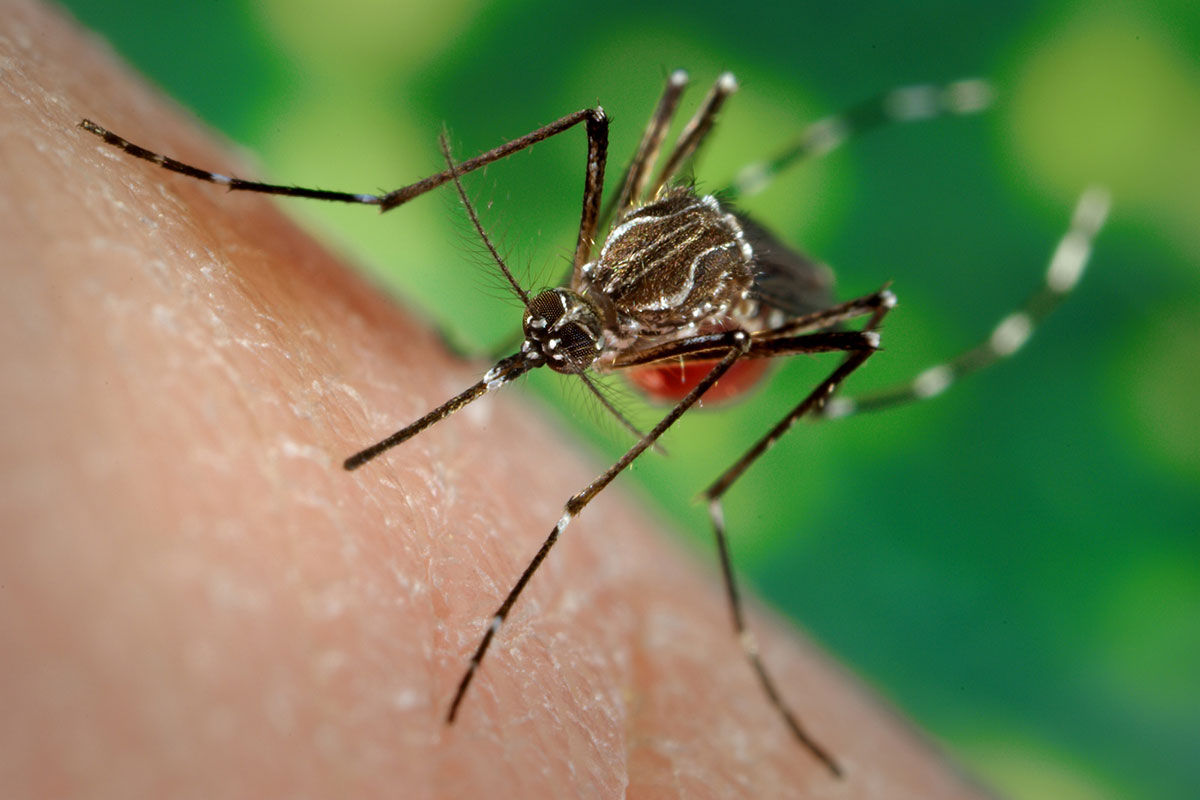
Dengue fever may be seen as normal cases in those living in tropical countries such as Malaysia. Dengue cases often spike during the rainy season. It is estimated that 4 billion people around the world live in areas with risk of dengue. This makes up to 40% of the world population lives with risk of contracting dengue. Dengue fever is caused by the dengue virus that is transmitted by the Aedes mosquito. The Aedes mosquito is characterised by the black and white stripes on its body. It can be understandable why anyone would be panicked after seeing such a mosquito bite them. This mosquito not only brings dengue virus but also many other viruses such as zika and Chikungunya.
The question now is, will all people bitten by Aedes mosquitoes develop dengue fever? That is definitely not an easy answer since it is difficult to confirm if the Aedes itself is indeed carrying the dengue virus. Only female Aedes is able to affect humans with dengue virus and only if the mosquito is infected. A mosquito is said to be infected when it bites a person which has the dengue virus in the blood circulating inside of the human. The infected mosquito then transmits the virus to other healthy people simply by biting them. Thus, the main way of dengue virus transmission is the mosquitos’ bites. However, do note that the dengue virus may be transmitted through blood such as from blood transfusion or organ transplantation containing dengue virus.
Those at risk for dengue fever are those living in areas with risk of dengue infection, which means those living in tropical countries with hot and humid climates that favour the population of the Aedes mosquitoes. Dengue infection is not only limited to those living in such places but also those working or travelling from and to the place. Risk is higher when the place is heavily populated and has a poor hygiene environment.
People with dengue fever often show symptoms of fever persisting more than 2 to 7 days, headaches especially pain behind the eyes (retro orbital headache), muscle pain (myalgia), joint pain (arthralgia) and skin rash. Should there be any sign of dengue fever, please get checked by a doctor. If these symptoms suddenly go away, do not mistake it as recovery as this could actually mean a critical phase. Critical phase is a phase where a patient’s condition may get severe out of sudden and this phase lasts from 24 to 48 hours.
What is scary apart from the critical phase is the severe form of dengue such as dengue shock syndrome or dengue haemorrhagic fever. Risk of developing the severe form is high in elderly, young children or those with certain medical conditions such as diabetes and asthma. Risk is also high in those already infected by dengue virus before the current infection. You probably wonder, “shouldn’t it be that when a person is infected by dengue once, they should have immunity or antibodies against it?”. Yes, that is true but that only applies to the serotypes that have infected them before.
Dengue virus is divided into 4 serotypes which are DENV-1, DENV2, DENV-3 and DENV-4. When a person is infected by one of the 4 serotypes, the body is only producing antibodies against that one specific serotype. The next time the person is infected by one of the other 3 serotypes, the body will go through cross reaction immunity. This reaction led to a person at high risk for a severe form of dengue.
In essence, the risk for developing dengue fever is the same for everyone whenever they live in places susceptible to dengue infection. Risk of developing a sudden form of dengue fever varies with many conditions. Thus, the best way to avoid dengue fever is to curb the dengue infection itself. This can be done by making sure there is no place for the mosquito to breed such as cleaning unwanted containers that could hold up water and properly dispose of rubbish. Beside that, a person needs to minimise skin exposure to mosquito bites by wearing long-sleeved clothes and using medication lotion that helps to keep mosquitoes at bay. Usage of insect repellent, mosquito coils and electrical mat can help to kill mosquitoes.
Apart from knowing symptoms of dengue fever, identifying the warning signs should indicate a person needs to go to the emergency department as it can sign of an ongoing dengue complications. Warning signs include sudden severe abdominal pain, vomiting blood, blood in stool, bleeding gums or nose, breathing difficulty, sudden change of temperature from fever to extreme cold and vomiting more than 3 times in 24 hours. These warning signs may even happen to those already released from hospital observation during the critical phase.
There are no specific treatments for dengue. Treatments aim to support patients and to make sure they are well. This ranges from fluid replacement therapy such as intravenous therapy to maintain hydration and prescription of medicine such as paracetamol to help ease the fever plus pain. Do follow all advice from healthcare professionals when staying in the hospital and after discharge. Always meet a doctor if you are unsure of dengue symptoms or suspect yourself with dengue especially when knowing there are known dengue cases in the neighbourhood or workplace area.