

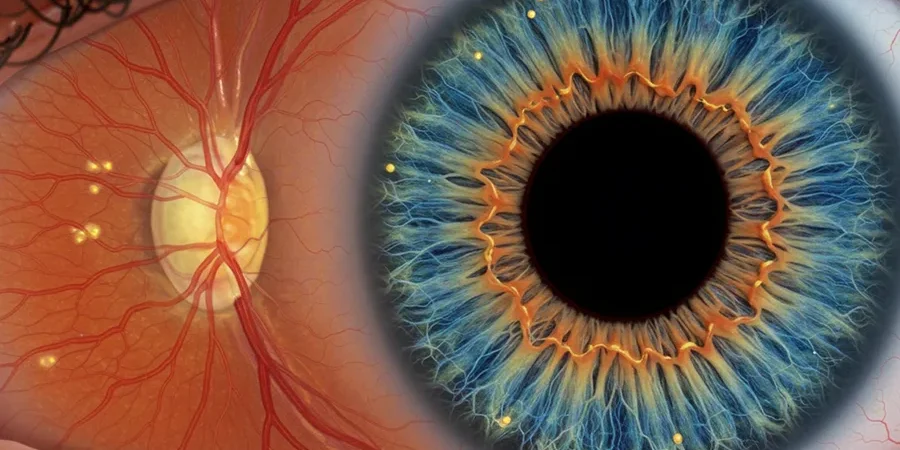
Diabetes can affect many parts of the body, including the delicate blood vessels that supply the retina. Diabetic retinopathy develops when prolonged high blood sugar damages these vessels, potentially affecting vision over time. In its early stages, the condition may cause few or no noticeable symptoms, making regular eye examinations particularly important.
As the condition progresses, changes in vision can become more apparent. Recognising warning signs early may allow an eye specialist to assess the retina and determine whether treatment is needed. Here are seven signs that should not be ignored.
1. Blurred or Hazy Vision
Blurred vision can be one of the first noticeable changes associated with diabetic retinal disease. Objects may appear less sharp, making activities such as reading, using a computer, or recognising faces more difficult.
Vision may fluctuate, particularly when blood glucose levels change. However, persistent or worsening blurriness should be assessed rather than assumed to be a temporary effect of diabetes.
An eye examination can help determine whether retinal changes or another eye condition is responsible for the symptoms.
2. Dark Spots or Floating Shapes
Seeing new dark spots, specks, or thread-like shapes floating across your vision can be another warning sign. These are commonly known as floaters.
They may occur when damaged retinal blood vessels leak blood into the vitreous, the gel-like substance inside the eye. A sudden increase in floaters can indicate bleeding and requires prompt assessment.
People with diabetes should seek professional advice if floaters suddenly appear or become significantly more noticeable.
3. Areas of Vision Loss
Developing a dark, empty, or missing area in your vision should never be ignored. Diabetes-related retinal disease can damage retinal tissue or cause bleeding that interferes with normal sight.
Vision loss may initially affect a small portion of the visual field, making it easy to overlook. However, even subtle changes can indicate that the retina requires closer evaluation.
Prompt diagnosis can help an ophthalmologist determine the severity of the condition and whether intervention is appropriate.
4. Difficulty Seeing at Night
Some people with diabetic retinopathy may experience increasing difficulty seeing clearly in dim environments.
You might find it harder to navigate poorly lit rooms, read in low light, or adjust when moving between bright and dark surroundings. While night-vision difficulties can have several causes, new or worsening symptoms deserve an eye assessment.
Identifying retinal changes early can help guide appropriate monitoring and management.
5. Distorted or Wavy Vision
Straight lines appearing bent, wavy, or distorted can signal changes affecting the retina. For example, window frames, door edges, or lines of text may appear uneven.
Diabetes can also contribute to diabetic macular edema, in which fluid accumulates in the macula, the part of the retina responsible for detailed central vision. This can cause distortion and reduced visual clarity.
If familiar objects suddenly appear distorted, an eye specialist should evaluate the cause.
6. Colours Appear Faded
Changes in colour perception can sometimes accompany retinal damage. Colours may appear less vivid, washed out, or different from how they normally look.
This symptom can be subtle, particularly when it develops gradually. You may notice that familiar objects seem less colourful or that distinguishing certain shades becomes more challenging.
Although faded colours can result from various eye problems, they should be discussed with an ophthalmologist, especially when diabetes is already present.
7. Sudden Changes in Vision
A sudden deterioration in vision is one of the most important warning signs requiring immediate attention. Rapid changes can occur when abnormal blood vessels bleed or when other complications affect the retina.
Sudden vision loss, a large increase in floaters, flashes of light, or a curtain-like shadow across your vision should be treated as urgent symptoms.
People experiencing these changes should seek immediate professional eye care rather than waiting for their vision to improve on its own.
When Might Treatment Be Recommended?
Not everyone with diabetic retinopathy requires immediate treatment. Early disease may sometimes be managed through careful monitoring, blood glucose control, blood pressure management, and regular eye examinations.
When retinal changes become more advanced, an ophthalmologist may consider treatments such as anti-VEGF injections, laser treatment, or surgery depending on the specific complication and severity.
The appropriate approach varies between individuals. A specialist will assess the retina using techniques such as dilated eye examination and retinal imaging before recommending a treatment plan.
Regular Eye Checks Can Protect Your Vision
Diabetic retinopathy can progress without obvious symptoms, which is why waiting until vision changes become severe is not recommended.
People with diabetes should follow their eye specialist’s recommended screening schedule, even when their vision appears normal. Early detection can provide an opportunity to monitor retinal changes and address complications before they cause more significant vision problems.
If you notice blurred vision, new floaters, missing areas of vision, distortion, faded colours, difficulty seeing at night, or sudden visual changes, arrange an eye examination promptly. Appropriate diabetic retinopathy management can help protect vision and support long-term eye health.